
ski doo instructions
Ski-Doo Instructions: A Comprehensive Guide
This guide consolidates essential Ski-Doo operational, maintenance, and repair information, leveraging resources like the Internet Archive for manuals dating back to 2008.
Ski-Doo, a BRP brand, represents a legacy of innovation in snowmobiling, offering diverse models from trail-focused to mountain machines. Understanding your Ski-Doo requires access to comprehensive resources. The Internet Archive provides a wealth of documentation, including service manuals for models like the 2017 G4 and the 2008 Rev-XP series (GSX, MXZ, Summit).
These manuals detail everything from basic operation to intricate repairs, covering engine specifics, track maintenance, and electrical systems. Familiarizing yourself with these resources is crucial for safe and enjoyable riding.
Understanding Ski-Doo Models
Ski-Doo’s lineup caters to varied riding styles, necessitating model-specific knowledge. The 2008 Rev-XP platform, documented in available shop manuals, encompasses models like the GSX, MXZ Adrenaline, and Summit X 800R Powertek. The 2017 G4, also with dedicated service manuals, represents a different generation.
Each model possesses unique characteristics impacting handling and maintenance. Accessing the correct manual – via resources like the Internet Archive – is paramount for accurate repair and optimal performance.

Safety Precautions Before Operation
Prioritize safety before each ride; Thoroughly review your Ski-Doo’s manual for specific warnings and recommendations. Always wear a properly fitted helmet and appropriate protective gear, including eye protection and warm clothing. Be aware of surrounding terrain and potential hazards like trees and fences.
Never operate under the influence of alcohol or drugs. Ensure passengers are aware of safety procedures. Familiarize yourself with local laws and regulations regarding snowmobile operation.
Pre-Ride Inspection Checklist
A meticulous pre-ride inspection is crucial for safe operation. Begin by visually inspecting the snowmobile for any obvious damage. Check all fluid levels – fuel and oil – ensuring they are within recommended ranges. Examine the track for wear and proper tension, and inspect skis for damage or cracks.
Test brake functionality and steering responsiveness before heading out. Verify all lights are working correctly, and confirm the throttle operates smoothly.
Checking the Fuel and Oil Levels
Proper fluid levels are paramount for engine performance and longevity. Locate the fuel gauge and visually confirm sufficient fuel for your intended ride. If the gauge is inaccurate, open the fuel cap and visually inspect the tank level.
Next, check the oil level using the dipstick, ensuring it falls within the ‘full’ range. Low levels can cause severe engine damage, while overfilling can lead to operational issues.
Examining the Track and Skis
A thorough inspection of the track and skis is crucial before each ride. Check the track for any signs of damage, such as tears, missing lugs, or excessive wear. Ensure proper tension; too loose or tight impacts handling.
Inspect the skis for cracks, wear, or bent runners. Damaged skis compromise steering and control. Verify ski alignment for optimal performance and a safe, enjoyable ride.
Testing the Brakes and Steering
Prior to operation, rigorously test both the braking system and steering functionality. Confirm the brakes engage firmly and evenly, providing reliable stopping power. Inspect brake lines for leaks or damage.
Evaluate steering responsiveness; it should be smooth and precise without excessive play. Check for any binding or unusual noises. Proper brake and steering function are paramount for safe control and preventing accidents during your ride.
Starting Your Ski-Doo
Successfully starting your Ski-Doo requires understanding both cold and warm start procedures. Ensure the fuel valve is open and the ignition switch is in the ‘on’ position. For cold starts, utilize the choke appropriately, following the manufacturer’s recommendations.
Warm starts typically require less choke or none at all. Troubleshooting starting issues often involves checking fuel levels and spark plug condition, referencing service manuals for detailed guidance.
Cold Start Procedures
Initiating a cold start demands a specific sequence for optimal performance. First, ensure the fuel valve is open and the ignition is on. Engage the choke fully, enriching the fuel mixture for easier ignition in cold temperatures. Depress the throttle slightly, then firmly pull the starter cord or press the start button.
Once the engine sputters, gradually reduce choke application as it warms up, preventing stalling. Refer to your Ski-Doo’s service manual for model-specific instructions.
Warm Start Procedures
A warm engine typically requires minimal starting effort. With the ignition on and fuel valve open, avoid using the choke unless the engine has been idle for an extended period. Gently depress the throttle and activate the starter – either by pulling the cord or pressing the start button.
The engine should ignite quickly. If it struggles, a slight choke application may be necessary, but reduce it immediately once running. Consult your Ski-Doo’s manual for specific guidance.
Troubleshooting Starting Issues

If your Ski-Doo fails to start, systematically check potential causes. Ensure fresh fuel is present and the fuel valve is open. Verify the spark plug is clean and functioning correctly, and the battery is fully charged. A flooded engine requires throttle application during starting.
Consult service manuals – available via the Internet Archive – for detailed diagnostics. Electrical faults or a faulty starter can also prevent ignition; review wiring diagrams for assistance.
Basic Operation and Controls
Familiarize yourself with the Ski-Doo’s controls for a safe and enjoyable ride. The throttle governs speed, while the brake provides stopping power; use both judiciously. Steering is achieved through handlebar input and body weight shifting.
Pay close attention to the dashboard indicators, which display vital information like engine temperature and fuel level. Understanding these controls, detailed in owner’s manuals, is crucial for confident operation.

Throttle and Brake Usage
Mastering throttle and brake control is paramount for Ski-Doo operation. Apply the throttle smoothly for acceleration, avoiding abrupt movements. The brake should be used progressively, especially on slippery surfaces, to prevent skidding or loss of control.
Coordinate both for precise speed adjustments and safe stops. Remember, releasing the throttle will initiate engine braking, assisting deceleration. Consistent practice builds proficiency and enhances rider safety.
Steering Techniques
Effective steering relies on a combination of body positioning and handlebar input. Initiate turns by gently leaning into the desired direction while simultaneously applying pressure to the handlebars. Avoid jerky movements; smooth, controlled inputs yield the best results.
Weight shifting is crucial, particularly at higher speeds. Practice countersteering – briefly pushing the handlebar in the opposite direction of the turn – for responsive handling. Adapt your technique to terrain and snow conditions.
Understanding the Dashboard Indicators
The Ski-Doo dashboard provides vital information about your snowmobile’s operation. Familiarize yourself with each indicator light, including the check engine light, oil pressure warning, and coolant temperature gauge. A flashing light often signals an immediate issue requiring attention.
Pay close attention to the fuel gauge and speedometer. Understanding these indicators ensures safe and informed riding, preventing potential mechanical failures and maximizing your enjoyment on the trails.
Maintenance Schedule
Adhering to a strict maintenance schedule is crucial for Ski-Doo longevity and performance. Regular tasks include checking fluid levels, inspecting the track and skis, and lubricating moving parts. Seasonal maintenance demands more extensive work, like oil changes and cooling system inspections.
Following the manufacturer’s recommendations, detailed in service manuals, prevents costly repairs and ensures optimal functionality. Proactive maintenance guarantees a safe and enjoyable snowmobiling experience.
Regular Maintenance Tasks
Consistent upkeep extends your Ski-Doo’s lifespan and maintains peak performance. Frequent checks involve verifying fuel and oil levels, ensuring proper track tension, and inspecting skis for damage. Lubricate the chaincase and suspension regularly.
Inspect brake lines and pads for wear, and confirm steering operates smoothly. Regularly clean the snowmobile to prevent corrosion. These simple tasks, performed before each ride, contribute significantly to reliability.

Seasonal Maintenance Procedures
Preparing your Ski-Doo for storage is crucial after winter’s end. Begin by thoroughly cleaning the machine, removing any accumulated snow and debris. Stabilize the fuel to prevent degradation during off-season storage, and change the oil.
Inspect the track, skis, and suspension for wear, addressing any issues before storage. Disconnect the battery and store it in a cool, dry place. Cover the snowmobile to protect it from dust and moisture.
Importance of Following the Schedule
Adhering to the Ski-Doo maintenance schedule is paramount for longevity and performance. Regular upkeep, detailed in service manuals available online, prevents minor issues from escalating into costly repairs. Consistent maintenance ensures optimal engine function, track integrity, and brake responsiveness.
Neglecting the schedule can void warranties and compromise safety. Following recommended intervals for oil changes, filter replacements, and inspections safeguards your investment and guarantees a thrilling, reliable riding experience.
Troubleshooting Common Problems
Addressing issues promptly is crucial for continued Ski-Doo enjoyment. Common problems include engine malfunctions, often stemming from fuel or ignition issues, and track damage requiring repair or replacement. Electrical faults, covered in wiring diagrams found in service manuals, can also occur.
Utilizing online resources and dedicated repair manuals allows for effective diagnosis and resolution. Identifying fault codes and referencing exploded views aids in pinpointing the source of the problem, minimizing downtime.
Engine Issues
Engine problems can range from simple starting difficulties to complex internal failures. Common causes include fouled spark plugs, carburetor issues, or fuel pump malfunctions. A lack of compression indicates potential piston or cylinder damage, requiring professional attention.
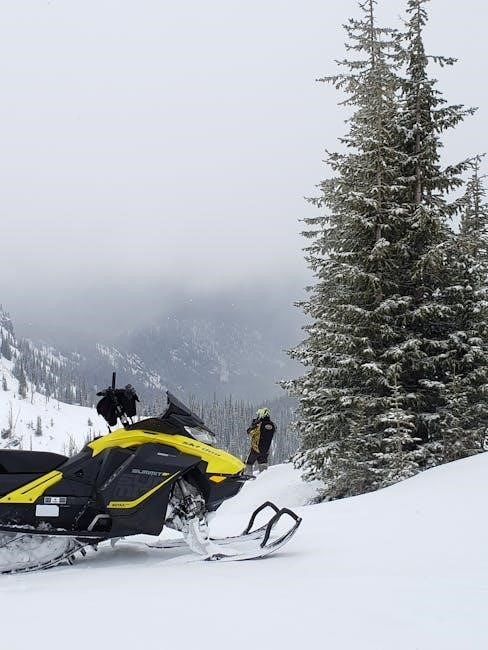
Referencing the Ski-Doo service manual for your specific model is vital for accurate diagnosis and repair procedures. Checking fuel lines and filters, alongside ignition components, often resolves minor engine concerns.
Track Problems
Track issues frequently involve damage from impacts, improper tension, or wear and tear. Inspect for cracked or missing lugs, uneven wear patterns, and proper alignment. A loose track can cause steering difficulties and reduced performance, while excessive tension strains the drivetrain.
Repairing a damaged track often requires specialized tools and expertise. Consult your Ski-Doo service manual for detailed instructions on track removal, repair, and re-installation procedures, ensuring optimal functionality.
Electrical System Faults
Electrical problems can range from a dead battery to faulty wiring or malfunctioning sensors. Common symptoms include a no-start condition, dim headlights, or erratic instrument panel readings. Always begin by checking the battery connections and fuses.
Wiring diagrams, available in service manuals, are crucial for tracing circuits and identifying shorts or open connections. Utilize resources like the Internet Archive to access detailed schematics for your specific Ski-Doo model, aiding in accurate diagnosis and repair.

Accessing Ski-Doo Service Manuals
Obtaining the correct service manual is vital for Ski-Doo maintenance and repair. The Internet Archive provides free access to numerous manuals, including the 2017 Ski-Doo G4 service manual and 2008 Rev-XP shop manuals.

These resources offer detailed instructions, exploded views, and part numbers. Factory manuals are the most comprehensive, covering workshop repairs, maintenance, and technical updates, ensuring accurate and safe servicing of your snowmobile.
Online Resources for Manuals
The Internet Archive stands as a premier online repository for Ski-Doo service manuals, offering free downloads, borrowing, and streaming options. Users can readily access manuals for various models, including the 2017 G4 and 2008 Rev-XP series.
These digital resources provide comprehensive documentation, encompassing repair procedures, wiring diagrams, and parts catalogs, facilitating efficient snowmobile maintenance and troubleshooting.
Using the 2017 Ski-Doo G4 Service Manual
The 2017 Ski-Doo G4 service manual, available via the Internet Archive, is crucial for owners. It details specific procedures for maintaining and repairing this model, covering everything from engine diagnostics to component replacement.
This manual provides detailed illustrations and step-by-step instructions, empowering both novice and experienced mechanics to address maintenance needs effectively and ensure optimal performance.
Utilizing 2008 Rev-XP Shop Manuals
The 2008 Ski-Doo Rev-XP shop manual, accessible through resources like the Internet Archive, is a comprehensive guide for servicing GSX, MXZ, and Summit models. This 672.6MB document covers 600 and 800R engines, offering detailed repair procedures and technical specifications.
Owners can utilize this manual for troubleshooting, maintenance, and complete overhauls, ensuring their Rev-XP snowmobile remains in peak operating condition.
Understanding Wiring Diagrams
Ski-Doo service and shop manuals, readily available online, contain detailed wiring diagrams crucial for diagnosing and repairing electrical system faults. These diagrams illustrate the connections between components, aiding in identifying shorts, opens, and other issues.
Proper interpretation of these diagrams is essential for safe and effective electrical repairs, ensuring the snowmobile’s systems function correctly. Accessing these resources simplifies troubleshooting.

Exploded Views and Part Numbers
Factory Ski-Doo workshop repair manuals provide invaluable exploded views, visually breaking down assemblies into individual components. These views, coupled with precise part numbers, simplify identifying and ordering replacement parts for repairs and maintenance.
Online resources offer comprehensive catalogs, streamlining the parts procurement process. Accurate part numbers ensure compatibility, preventing incorrect installations and maintaining the snowmobile’s integrity.
Repairing the Track
Track repair often necessitates detailed service manuals, showcasing proper procedures for addressing damage like tears or delamination. Identifying the specific track type is crucial, as repair methods vary significantly between designs.
Common repairs involve patching or replacing sections, demanding precision and specialized tools. Thorough inspection for underlying damage is vital before attempting any fixes, ensuring a safe and reliable ride.
Brake System Maintenance
Regular brake system maintenance is paramount for Ski-Doo safety, requiring inspection of brake lines, calipers, and pads. Fluid levels should be checked and replenished as needed, ensuring optimal hydraulic pressure.
Worn brake pads must be replaced promptly to maintain stopping power, and calipers should be cleaned and lubricated to prevent seizing. Detailed service manuals provide specific torque specifications and procedures for disassembly and reassembly.
Fuel System Maintenance
Maintaining the Ski-Doo fuel system involves several key steps to ensure reliable engine performance. Regularly inspect the fuel lines for cracks or leaks, and replace them if necessary. The fuel filter should be cleaned or replaced according to the service manual’s schedule.
Carburetor cleaning or fuel injector servicing may be required to address performance issues. Always use fresh fuel and consider a fuel stabilizer during storage to prevent degradation.
Oil Change Procedures
Regular oil changes are crucial for Ski-Doo engine longevity. Warm up the engine slightly before draining the old oil, ensuring it flows more freely. Locate the drain plug and oil filter, removing both carefully. Replace the oil filter with a new one, lubricating the gasket before installation.
Refill with the manufacturer’s recommended oil type and quantity, checking the dipstick for proper levels. Dispose of used oil responsibly.
Cooling System Inspection
Maintaining the Ski-Doo’s cooling system prevents overheating and engine damage. Regularly inspect the coolant level in the reservoir, adding the correct type if low. Check hoses for cracks, leaks, or swelling, replacing them as needed. Examine the radiator for obstructions like snow or debris, cleaning it thoroughly.
Verify the fan is operating correctly during engine run. A faulty cooling system can lead to severe engine issues.

Storage Procedures for Off-Season
Proper off-season storage safeguards your Ski-Doo from damage. Begin by thoroughly cleaning the snowmobile, removing all snow and debris. Stabilize the fuel to prevent degradation during storage, and consider fogging the engine cylinders for added protection against corrosion.
Disconnect the battery and store it in a cool, dry place. Cover the snowmobile with a breathable cover to prevent moisture buildup, and store it in a sheltered location.
Finding Additional Resources
Numerous online platforms offer supplementary Ski-Doo support. The Internet Archive hosts a wealth of service and shop manuals, including those for the 2017 G4 and 2008 Rev-XP models, providing detailed repair guidance.
Haynes Manuals North America delivers owner workshop manuals for servicing and repairs. Websites also provide access to Ski-Doo part numbers and exploded views, aiding in maintenance and component identification;